
Shopping for someone’s hobby sounds simple. It isn’t.
Most people end up buying something that looks right on the surface but never actually gets used. It sits in a drawer, or worse, gets quietly replaced by something better later. That usually happens when the gift is based on the hobby name, not how the person actually practices it.
A golfer doesn’t need “golf stuff.” A fisherman doesn’t need another random lure. A gardener doesn’t need a decorative tool set that bends the first time it hits soil.
The difference between a forgettable gift and one that sticks comes down to one thing. Relevance.
Not broad relevance. Specific relevance.
Start with how they actually spend their time
Before you even think about buying anything, pause and look closer at the hobby itself.
Not the label. The behavior.
Do they fish from a boat or from the bank?
Do they garden for food or just for looks?
Do they work on cars every weekend or only when something breaks?
Those small details matter more than the hobby itself.
Someone who fishes occasionally might enjoy a novelty item. Someone who’s out every weekend in the cold is going to appreciate something that makes their setup easier, warmer, or faster. When talking about hobbies, here is a quick breakdown.
That’s where personalized gifts start to set themselves apart. They show you paid attention.
Personalization only works if the item already makes sense
This is where a lot of gift guides get it wrong.
They push personalization as if adding a name magically makes something meaningful. It doesn’t.
If the base item is weak, engraving it just locks in the mistake.
A personalized mug for someone who never drinks coffee is still a bad gift. It just has their name on it now.
The smarter approach is simple.
Pick something useful first. Then personalize it.
Examples that actually land:
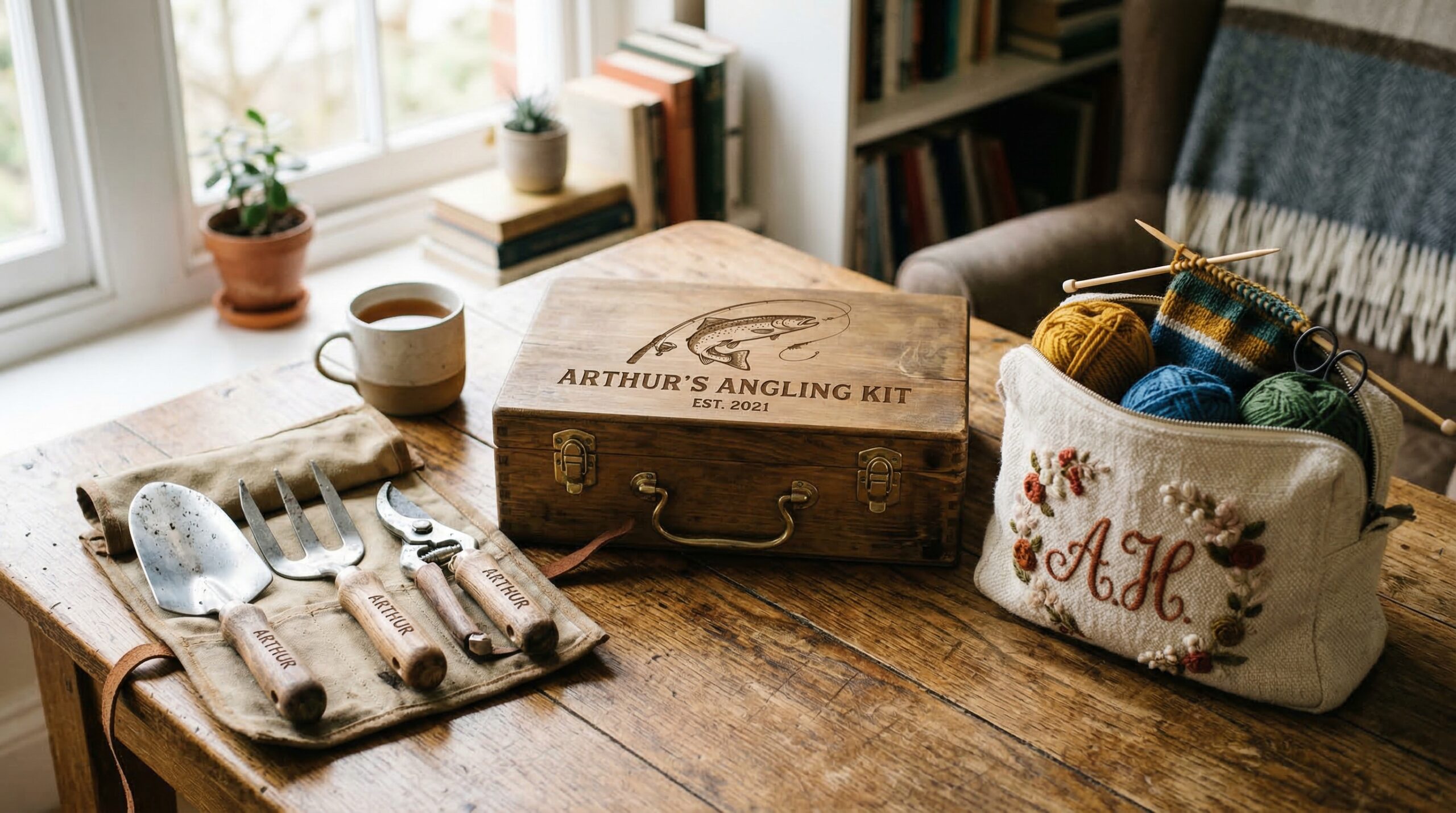
- A custom tackle box for someone who organizes gear constantly
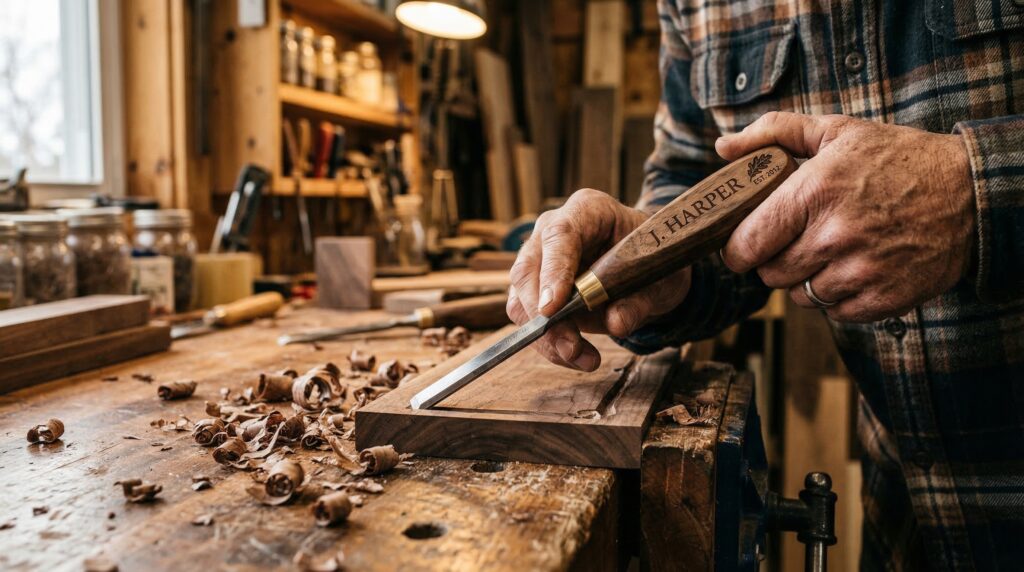
- Engraved woodworking tools for someone who spends hours in the shop
- A personalized recipe book for someone who cooks from scratch, not just occasionally
The personalization should feel like the final layer, not the main feature.
Useful beats clever almost every time
There’s always a temptation to go for something creative or funny. Sometimes that works. Most of the time, it doesn’t.
Useful gifts get used. Used gifts get remembered.
Clever gifts get a reaction for about ten seconds.
If you’re choosing between something practical and something “interesting,” the practical option usually wins in the long term.
That doesn’t mean boring. It means intentional.
A well-made tool with their name on it feels personal.
A novelty item that kind of relates to their hobby feels like guesswork.
Pay attention to upgrades, not entry-level gear
Another easy mistake is buying beginner-level items for someone who is clearly past that stage.
People deep into a hobby already have the basics. Sometimes they have multiple versions of the basics.
What they usually don’t have is the upgraded version they’ve been putting off buying.
That’s where a good gift lives.
Instead of buying a basic item, look for:
- Better materials
- Improved durability
- Features that solve a small frustration
Then add personalization if it makes sense.
Now the gift does two things. It improves their experience and feels tailored to them.
The small frustrations are where the best ideas hide
If you’re not sure what to get, think about what slows them down.
Every hobby has friction points.
- Cold hands when fishing.
- Messy workspaces in woodworking.
- Tools are getting lost or mixed up.
You don’t need to overanalyze it. Just observe.
A gift that removes one small annoyance can be more valuable than something big and flashy.
That’s usually the difference between something that gets used every week and something that gets forgotten.
When personalization really hits
There’s a moment when someone opens a gift, and you can tell it landed.
It’s not always loud. Sometimes it’s quiet.
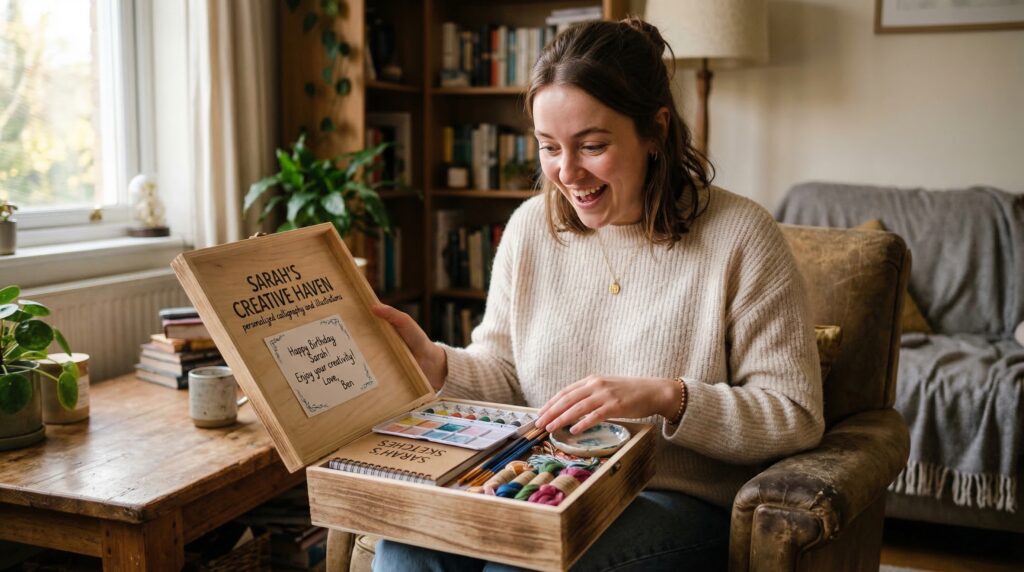
They pause. Look closer. Maybe run their hand over it for a second. That’s when you know.
That reaction usually comes from recognition.
They see something that fits into what they already care about, but it has a layer that makes it theirs.
Not generic. Not mass-produced in their eyes.
Just theirs.
Why most “thoughtful gifts” miss… and how to get it right
A lot of gifts are labeled “thoughtful” because they fit a category. That’s not the same thing.
Real thought shows up in the details.
- It shows up in choosing something they’ll actually use.
- It shows up in noticing how they do things, not just what they do.
- It shows up in adding personalization that feels natural rather than forced.
If you get those three things right, the gift doesn’t feel like an obligation.
It feels like you were paying attention.
And that’s usually what people remember long after the wrapping paper is gone.
Check out the personalized gift section available on Amazon.
Frequently Asked Questions About Personalized Hobby Gifts
These questions can help readers choose personalized hobby gifts that feel thoughtful, useful, and worth giving.
What makes personalized hobby gifts better than generic gifts?
Personalized hobby gifts feel more thoughtful because they connect to something the person already enjoys. A gift becomes more meaningful when it matches how they actually spend their time instead of just checking a box.
How do I choose personalized hobby gifts that will actually get used?
Start with what the person already does in their hobby. Look at their routines, tools, and small frustrations. The best personalized hobby gifts are useful first, then customized in a way that makes the item feel personal.
Are personalized hobby gifts a good choice for beginners?
Yes, but the gift should stay simple and practical. Beginners usually need starter-friendly items that help them enjoy the hobby more. A personalized touch can make the gift feel special without making it harder to use.
Should personalized hobby gifts be practical or decorative?
Practical usually wins. Decorative items can be nice, but practical gifts tend to get used and remembered. If you can find something functional that also looks personal, that is usually the stronger choice.
What are examples of good personalized hobby gifts?
Good examples include engraved gardening tools, custom tackle boxes, personalized craft storage, monogrammed knitting bags, or custom workshop gear. The best option depends on the hobby and how serious the person is about it.
Do personalized hobby gifts work for people who already have a lot of gear?
They can, especially if you focus on upgrades instead of basics. Someone with a lot of gear usually does not need entry-level items. A better version of something they already use, with a personalized detail, often lands much better.